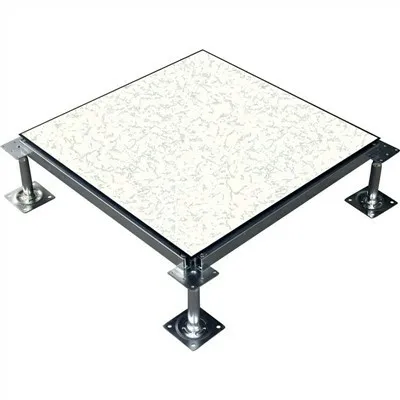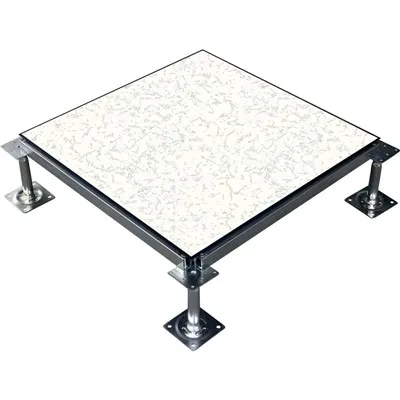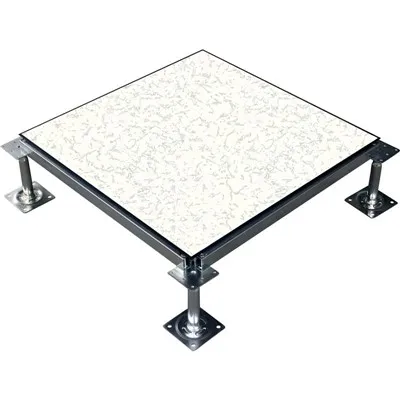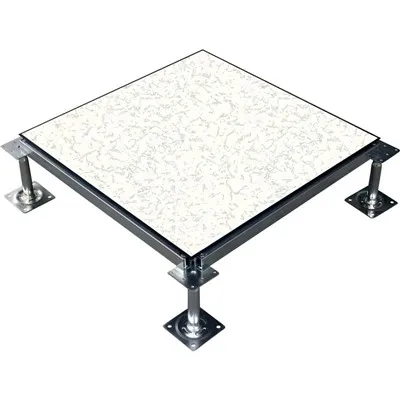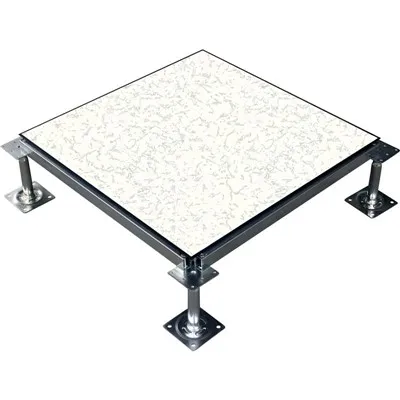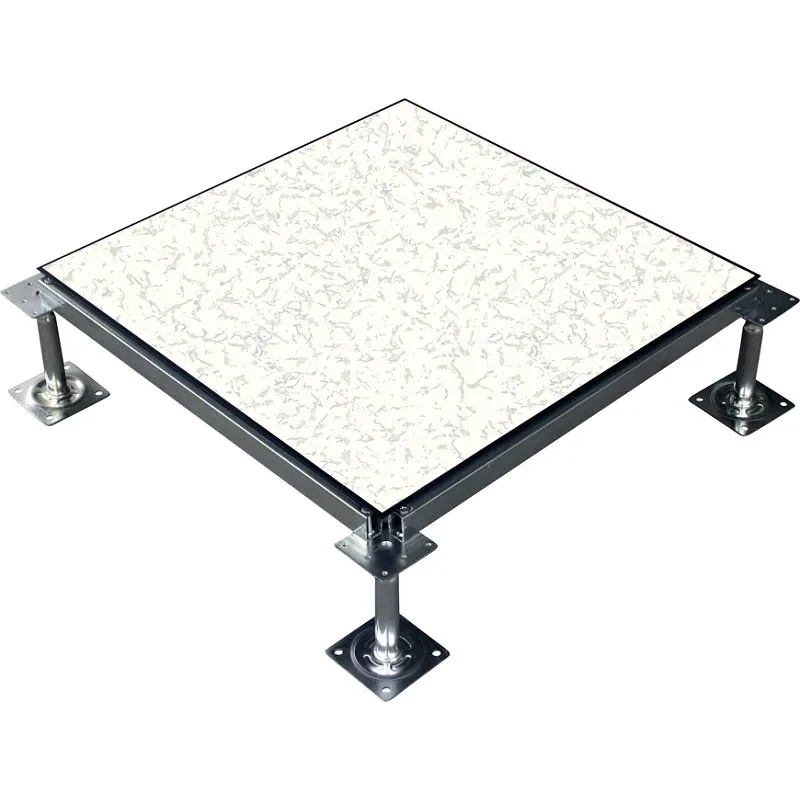


FINECO's anti-static access floors are pioneering a new era in contemporary space design, elevating industry standards. Robustly engineered, they handle heavy-duty equipment with ease, maintaining structural reliability. The intelligent modular design facilitates rapid installation and effortless reconfiguration, reducing operational delays. A streamlined cable management solution keeps infrastructure tidy, enhancing safety and operational efficiency. With static protection and fire-resistant features, they create a safe environment for critical uses, including data centers, offices, and industrial areas. The corrosion-resistant finish ensures enduring performance, and efficient airflow optimization boosts energy savings. FINECO delivers a resilient, elegant, and future-proof flooring choice.
Product specification
|
Model |
Concentrated Load |
Impact Load |
Ultimate Load |
Uniform Load |
Rolling Load (N) |
||
|
LB |
N |
N |
N |
N/㎡ |
10 times |
10000 times |
|
|
FS800 |
800 |
3560 |
536 |
10680 |
16100 |
3560 |
2670 |
|
FS1000 |
1000 |
4450 |
670 |
13350 |
23000 |
4450 |
3560 |
|
FS1250 |
1250 |
5560 |
780 |
16680 |
33000 |
5560 |
4450 |
|
FS1500 |
1500 |
6660 |
1005 |
19980 |
34500 |
6675 |
5340 |
|
FS2000 |
2000 |
8900 |
1340 |
26700 |
46000 |
8900 |
7120 |
* According to CE& CISCA's recommended test procedures for Access Floors
600*600mm/24'*24' (610*610mm) available
Product feature and application
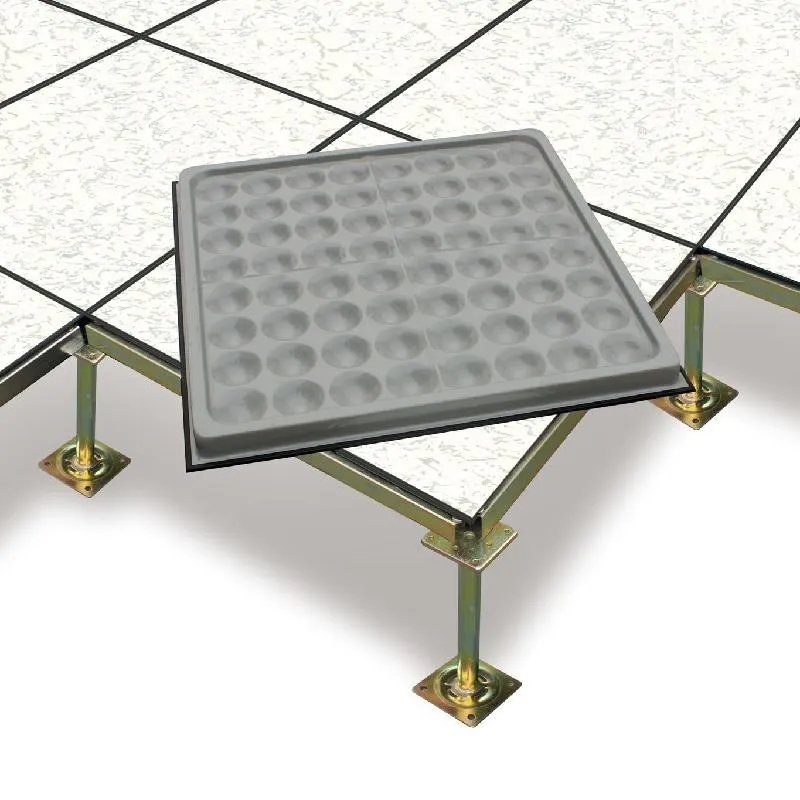
FINECO's anti-static access floor panels elevate modern space design by fusing cutting-edge technology with unparalleled performance. Constructed from premium-grade, corrosion-resistant steel and fortified with advanced fire-retardant coatings, they offer remarkable structural resilience and long-term durability. Designed to meet strict load requirements, they securely support heavy equipment. The intelligent modular framework streamlines deployment, enabling swift installation and effortless adjustments to evolving spatial needs. Integrated cable conduits optimize underfloor airflow, efficiently organizing power and data lines while eliminating clutter. Suitable for critical settings-data centers, industrial facilities, command centers, and research labs-the system ensures safety, flexibility, and global compliance. Its low-maintenance design minimizes operational interruptions, and enhanced utility access improves productivity. Select FINECO for a foundation that meets current demands and future-proofs infrastructure, merging robustness with sleek aesthetics for sustainable, high-performing spaces.
Product details

With advanced static-dissipative borders, FINECO panels ensure uniform conductivity. Epoxy coatings guard against corrosion in challenging settings, while laminates (HPL, PVC, ceramic) offer style flexibility and 10^4–10^9Ω resistance. Reinforced bolted structures handle 890kg+ point loads, and fire cores comply with ASTM E84 Class 1. Optional sealed compartments via gaskets cater to critical applications, showcasing versatile design.
Product Qualification
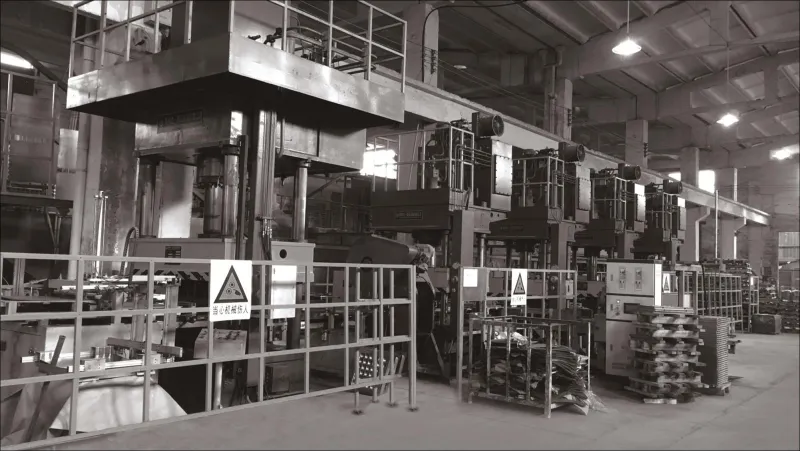
FINECO's static-control access flooring is built to the highest quality benchmarks using premium materials and innovative techniques. At its core are ST14 and SPCC steel alloys-valued for robust mechanical behavior, anti-rust properties, and excellent formability-ensuring reliability in extreme settings.
The innovation of lightweight foam concrete enhances performance, reducing mass to optimize load efficiency. It excels in thermal and acoustic insulation and eco-friendliness. High-pressure industrial molding achieves uniform density and flawless, precise dimensions.


FINECO panels stand out by blending innovative metallurgy, sustainable composite tech, and precise production. This combination exceeds global durability benchmarks, ensuring lasting reliability and operational excellence in critical uses.
Shipping and Package


FAQ
Q: 1. What is a raised floor system?
A: A raised floor system features a network of modular panels supported by adjustable pedestals, creating an elevated platform above the structural floor. This space beneath allows for routing cables, utilities, and HVAC components, offering flexibility and easy access.
Q: 2. How is a raised floor installed?
A: Installation begins with meticulous leveling of the subfloor. Adjustable pedestals are then placed at precise intervals, supporting stringers that form a grid. Panels are laid atop this framework, with height adjusted via threaded bases. Seals are added at joints using gaskets, and safety edges are installed to prevent tripping.
Q: 3.What are the common uses of raised floors?
A: Elevated floor systems are widely used in data centers, server rooms, labs, and control rooms where cable management, cooling efficiency, and modular design are essential, often including ESD and grounding features.
Q: 4.How do I maintain a raised floor?
A: To ensure longevity of a raised floor, conduct routine inspections for loose panels or damaged supports. Clean accumulated dirt underneath using vacuums or brushes. Always stay within the system's load capacity and avoid point loading. Promptly fix any faults and organize cables properly to maintain access and functionality.
Q: 5.What is the typical load capacity of a raised floor?
A: Raised floors come with a range of load ratings, generally supporting 662 to 2,000 psf. In high-demand areas like data centers, however, systems may need to exceed 2,000 psf. Always refer to the manufacturer's technical data for precise load specifications.
Hot Tags: low profile data center technical floor, China low profile data center technical floor manufacturers, suppliers, factory, Anti Static Data Center Technical Floor, Cementitious Data Center Technical Floor, data center technical floor, Heavy Duty Data Center Technical Floor, Low Profile Data Center Technical Floor, Modular Data Center Technical Floor