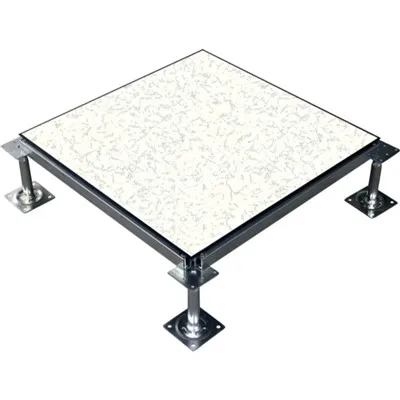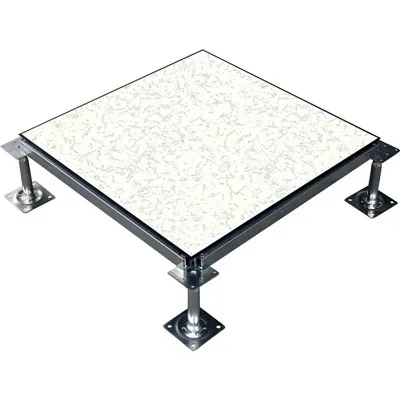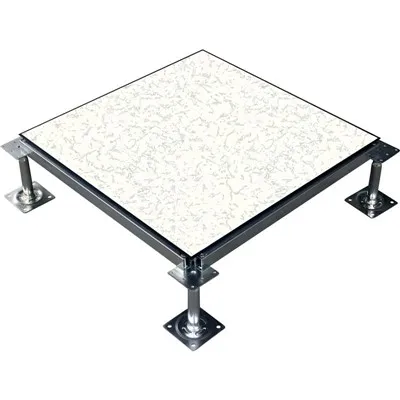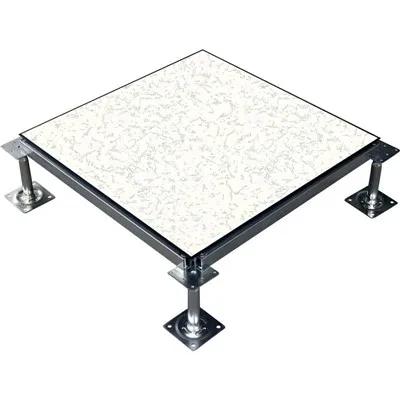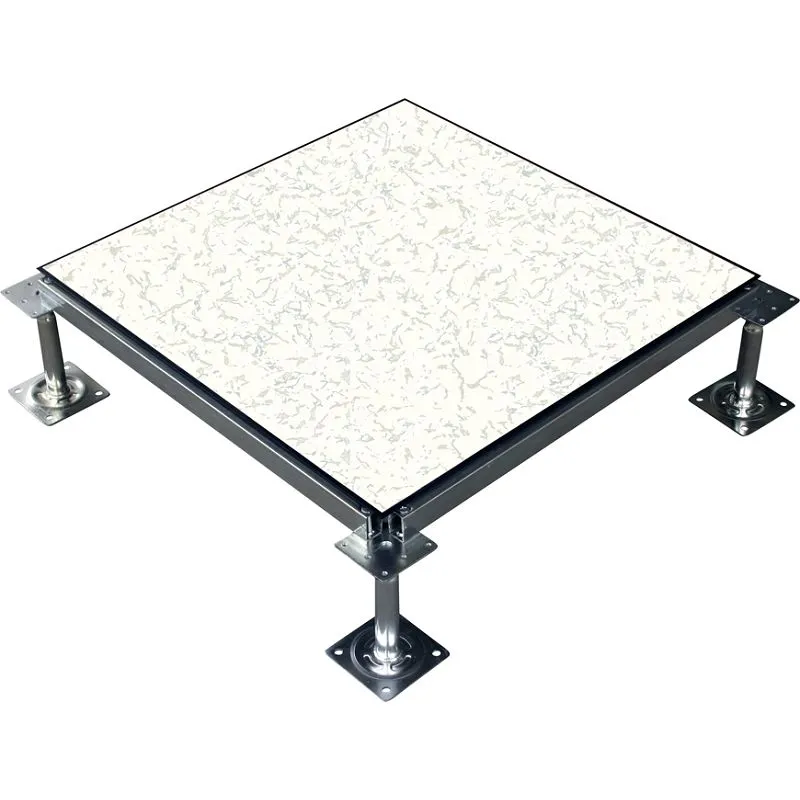


FINECO anti-static access floors are engineering marvels, designed to meet the highest benchmarks in modern facilities. With heavy load support and exceptional structural reliability, they stand up to the toughest challenges. The modular system enables quick, easy installation and reconfiguration, minimizing project delays. An intelligent cable management system keeps wiring orderly, improving safety and operational flow. Static-dissipative and fire-resistant features create a secure environment for sensitive applications in data centers, offices, and industrial plants. The corrosion-resistant surface maintains long-lasting durability, while efficient airflow design supports energy savings and optimal climate control. FINECO delivers a resilient, elegant, and future-ready flooring system.
Product specification
|
Model |
Concentrated Load |
Impact Load |
Ultimate Load |
Uniform Load |
Rolling Load (N) |
||
|
LB |
N |
N |
N |
N/㎡ |
10 times |
10000 times |
|
|
FS800 |
800 |
3560 |
536 |
10680 |
16100 |
3560 |
2670 |
|
FS1000 |
1000 |
4450 |
670 |
13350 |
23000 |
4450 |
3560 |
|
FS1250 |
1250 |
5560 |
780 |
16680 |
33000 |
5560 |
4450 |
|
FS1500 |
1500 |
6660 |
1005 |
19980 |
34500 |
6675 |
5340 |
|
FS2000 |
2000 |
8900 |
1340 |
26700 |
46000 |
8900 |
7120 |
* According to CE& CISCA's recommended test procedures for Access Floors
600*600mm/24'*24' (610*610mm) available
Product feature and application
FINECO anti-static access floor panels are establishing a fresh standard for modern spaces, uniting cutting-edge tech with exceptional performance. Made from premium-grade, corrosion-resistant steel and fortified with advanced flame-retardant coatings, they provide remarkable structural integrity and long-term durability. Designed to handle heavy loads, these panels offer unwavering support for equipment installations. The modular framework simplifies installation, enabling quick deployment and effortless reconfiguration to match evolving spatial needs. Integrated cable conduits optimize underfloor airflow, efficiently organizing power and data lines while keeping spaces tidy. Ideal for critical settings-data centers, industrial facilities, command centers, and research labs-the system ensures safety, adaptability, and adherence to global standards. Its low-maintenance design reduces operational downtime, and enhanced utility access improves efficiency. Choose FINECO for a foundation that addresses current needs and future-proofs infrastructure, combining robustness with elegant design for sustainable, high-performance spaces.
Product details

With a focus on conductivity consistency, FINECO's anti-static panels feature advanced static-dissipative borders. Epoxy coatings resist degradation in severe environments, while HPL, PVC, or ceramic toppings provide style flexibility and 10^4–10^9Ω resistance. Bolted frameworks support 890kg+ loads, and fire cores meet ASTM E84 Class 1 safety standards. Optional sealed compartments via gaskets optimize critical use cases,体现ing versatile innovation.
Product Qualification
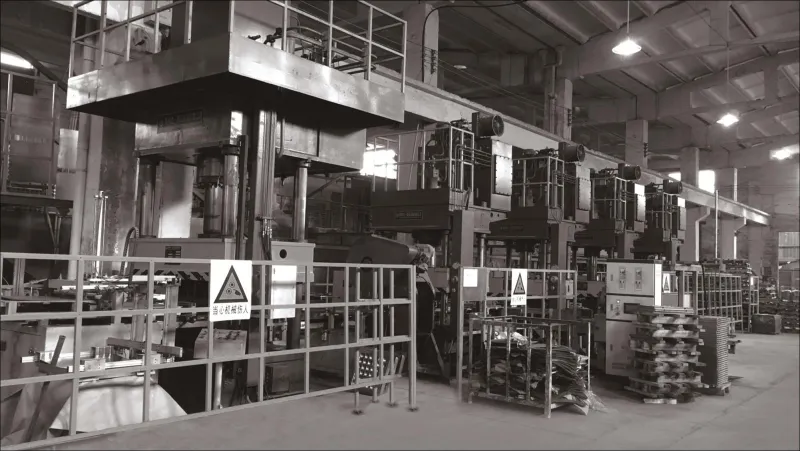
FINECO produces high-performance anti-static floor panels using elite materials and advanced engineering. ST14 and SPCC steel alloys-known for strength, anti-corrosion, and formability-provide a stable foundation in challenging installations.
Lightweight foam concrete's innovative use lifts performance, cutting mass to optimize load handling. It provides great thermal insulation, noise reduction, and eco-benefits. Industrial high-pressure molding ensures uniform density and precise, defect-free geometry.


The combination of advanced metallurgy, eco-friendly composite solutions, and precise engineering empowers FINECO panels to beat global durability standards. They deliver lasting reliability and excellent performance for key critical setups.
Shipping and Package


FAQ
Q: 1. What materials are raised floors made of?
A: Steel is the common base material for raised floor panels, often topped with cement or decorative laminates. Aluminum provides a lighter option. Core variations include wood fiber and calcium sulfate. Support components are typically steel or aluminum. ESD protection is achieved through static-dissipative coatings in electronic spaces.
Q: 2. How is a raised floor installed?
A: Start by smoothing and leveling the existing floor. Mount adjustable pedestals at set intervals. Connect them with structural runners. Lay the floor panels, adjust height using the pedestal screws, seal panel gaps with gaskets, and install protective edge trims.
Q: 3.What are the common uses of raised floors?
A: Technical environments such as data hubs and labs rely on raised flooring to conceal wiring, enhance cooling, and allow modular reconfiguration, with added protection against static discharge and grounding issues.
Q: 4.What is a raised floor system?
A: This type of flooring uses a series of pedestals to lift modular tiles above the original slab. The resulting underfloor space accommodates cabling, plumbing, and airflow systems, supporting modern infrastructure needs.
Q: 5.What issues might I encounter with raised floors?
A: Raised flooring is vulnerable to sagging from excessive weight, thermal inefficiencies due to cable overcrowding, and safety issues from displaced tiles-prevented via regular inspections and load adherence.
Hot Tags: modular laminate flooring raised, China modular laminate flooring raised manufacturers, suppliers, factory